The Birds: Your Canal Companions
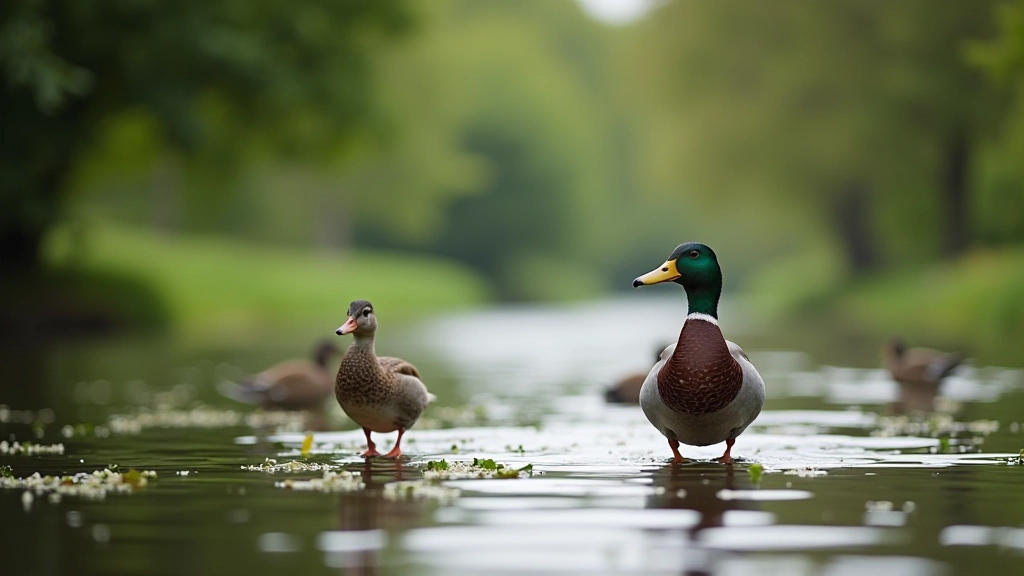
The canal's most obvious residents are its birds. You'll spot them year-round, though spring and early summer bring the most activity. Mallards are everywhere — the males with their iridescent green heads, females in subtle brown. They're bold around people, especially near benches where walkers tend to linger.
Coots are another common sight. They're dark grey, almost black, with a distinctive white spot on their foreheads. Watch them dive underwater to feed — they tip forward and disappear completely. It's quite a show. Moorhens are smaller, sleeker cousins that dart along the margins with jerky movements.
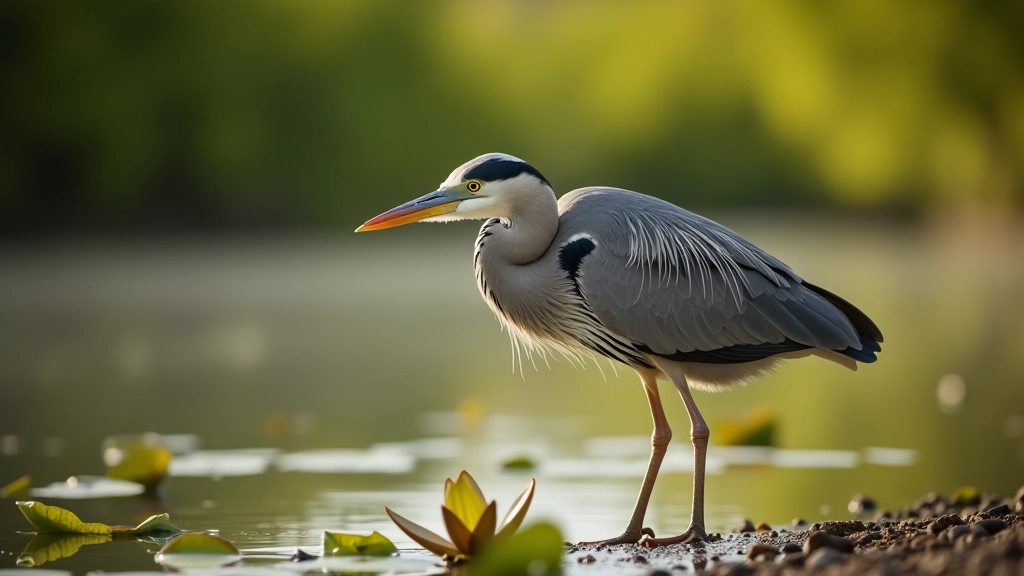
If you're patient, you'll see grey herons. They're tall, grey-blue birds that stand absolutely still for minutes at a time, hunting fish. Don't mistake their patience for laziness — they're focused predators. The best time to spot them is early morning, around 6-7am, when foot traffic is minimal.
"You don't need binoculars to enjoy the canal's wildlife.
Just slow down and watch."
Plants & Water Life Worth Knowing
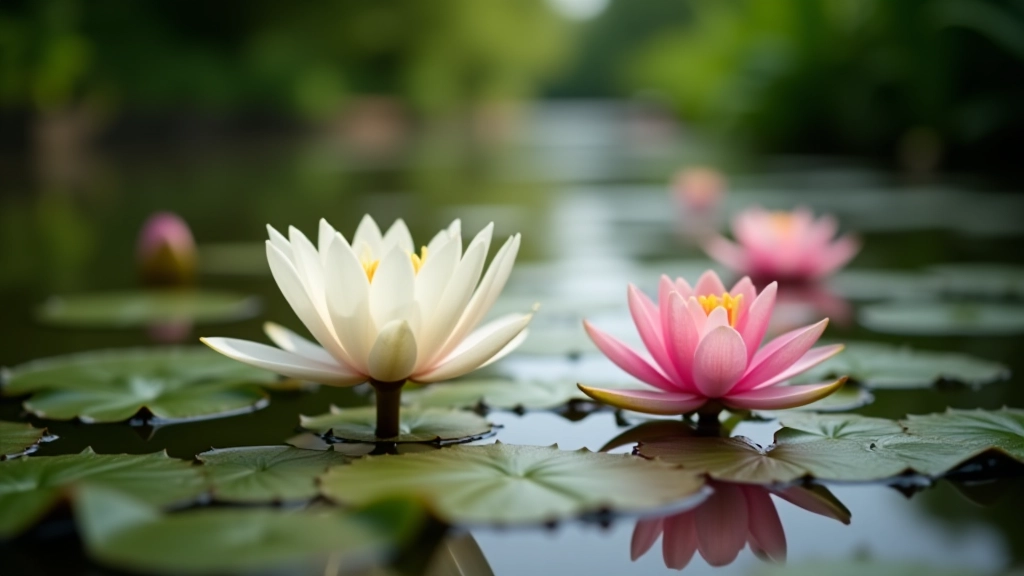
The water itself teems with life you might not immediately notice. Aquatic plants like water lilies provide food and shelter for fish. In summer, white and pale pink blooms appear across the surface — they're worth a photograph. The plants also oxygenate the water, supporting everything from tiny insects to larger fish.
Pike live in the canal — substantial fish that can reach 3-4 feet long. You rarely see them, but anglers know they're there. More visible are perch, roach, and bream. In summer months, you'll see fish rising to the surface, creating ripples. That's not random — they're feeding on insects.
The towpath itself is lined with native plants. Hawthorn blooms white in May. Nettle and dock plants grow in clusters. Brambles produce blackberries in autumn — genuinely edible if you know what you're picking. The mix creates a genuine ecosystem, not just a canal with grass around it.
Note: This article provides informational guidance on wildlife observation for educational purposes. For identification assistance, consult local bird-watching guides or organizations like BirdWatch Ireland. Always maintain a respectful distance from wildlife and follow canal regulations when visiting.
Best Times & Techniques for Spotting
Timing matters more than you'd think. Early morning, between 6-8am, is when birds are most active and vocal. They're feeding after the night. By mid-morning, many have moved to quieter stretches. Late afternoon, around 4-6pm, brings another period of activity.
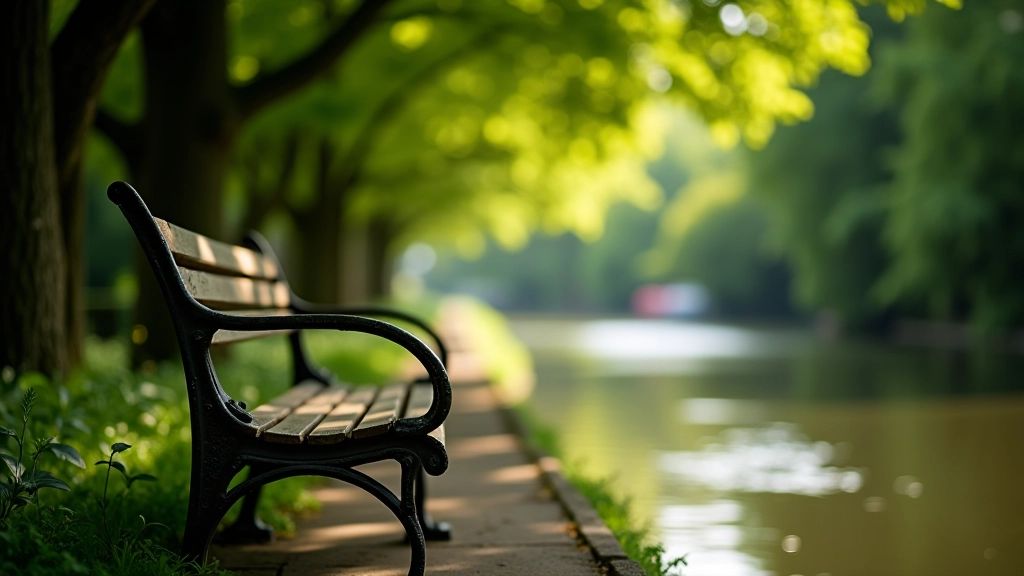
Dress in neutral colors — greens, greys, browns. Bright colors startle birds. Move slowly and pause frequently. Don't stare directly at birds; they sense this. Instead, glance sideways. Stop for 5-10 minutes at a bench and simply watch. That's when you'll notice subtle movements — a fish breaking the surface, a bird sliding into the water.
Weather affects wildlife visibility. Overcast days are often better than bright sunshine because light doesn't create harsh shadows. Light rain doesn't stop birds, but heavy downpours do. Calm days are ideal — wind makes spotting harder as you're focused on staying warm rather than observing.
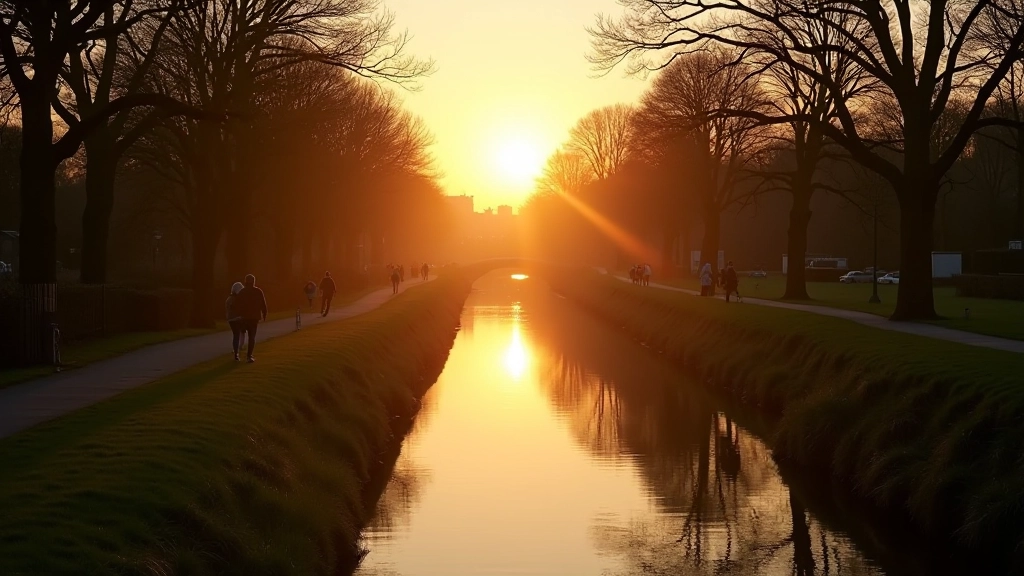
How Wildlife Changes Through the Seasons
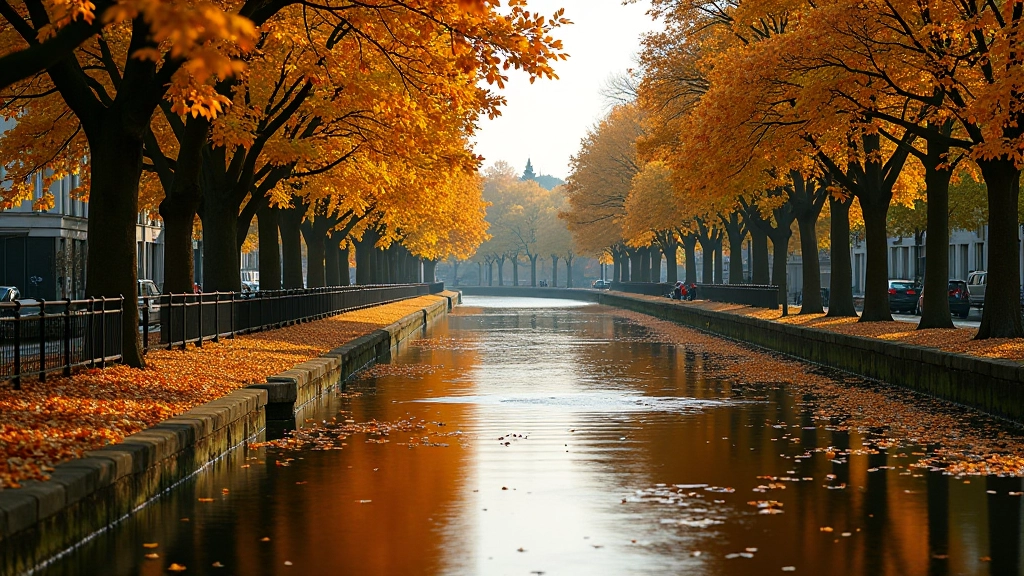
Spring (March-May) is magical on the canal. Migratory birds return. Ducks are nesting — you'll see ducklings by April. Nettles and hawthorn burst into growth. It's the busiest season for wildlife activity. The water level typically rises from winter rains.
Summer (June-August) brings dragonflies and damselflies — iridescent insects that hover over the water. Moorhen chicks appear. The canal gets crowded with both people and wildlife. Plants are lush. It's warm, so birds tend to be less active midday but visible early and late.
Autumn (September-November) is quieter. Migratory birds depart. Leaves fall into the water. Fewer ducklings are visible. The canal feels more peaceful. Winter (December-February) brings visiting waterfowl from northern Europe seeking unfrozen water. Coots become more prominent. Everything moves slower in the cold.
Getting the Most From Your Visits
The canal isn't a nature documentary — it's a living, changing ecosystem you can visit whenever you want. There's no pressure to identify every bird or spot rare species. Most days, you'll see the same familiar residents: mallards, coots, moorhens. That's the point. Wildlife watching on the canal isn't about ticking boxes. It's about noticing how water and land intersect, how seasons shift what you see, how a 20-minute walk reveals more the slower you move.
Start with one of the quieter stretches between Portobello and Inchicore. Visit the same spot at different times of day and different seasons. You'll develop a real sense of the place. You'll recognize individual birds (yes, you will — some herons have distinct personalities). And you'll find that walking the canal for wildlife becomes less about "spotting" and more about simply being present in a place where nature's still working.
Want practical guidance for your first walk? Read our beginner's guide to get started.
Getting Started: Your First Walk on the Grand Canal