
More Than Just a Waterway
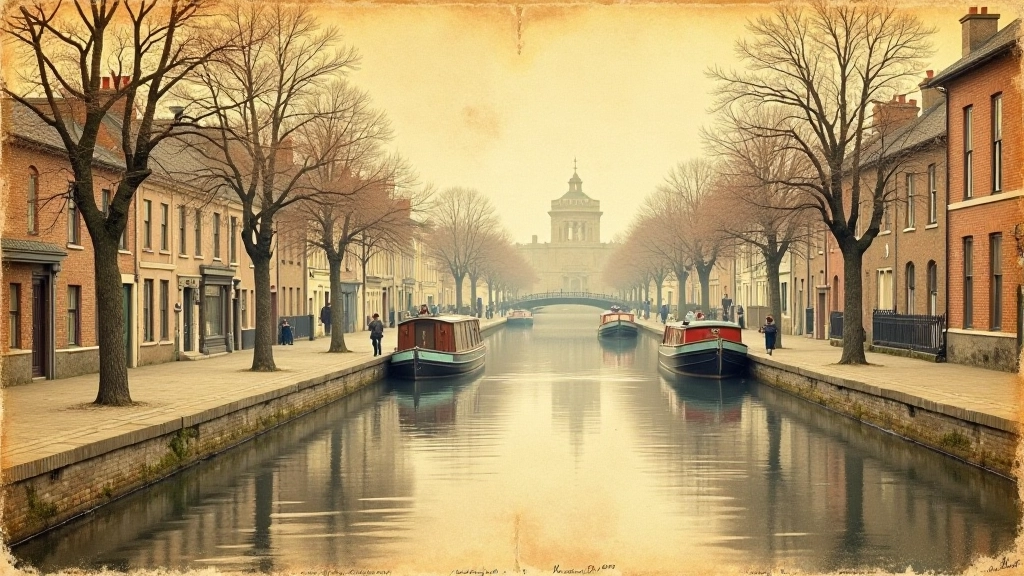
The Grand Canal isn't just a pretty stretch of water cutting through Dublin. It's a story carved in stone and brick — a testament to Irish ambition, engineering prowess, and the people who believed Dublin could rival the great European cities. When construction began in 1775, the canal was a radical idea. Ireland was still finding its feet economically, and building a 53-kilometer waterway seemed audacious. But it worked.
What makes the canal special isn't just the engineering. It's the layers of history embedded in every lock gate, every bridge, every stretch of towpath. You're walking through centuries when you stroll from Portobello to Inchicore. The Victorians who built the locks, the workers who dug by hand, the families who lived along its banks — they're all still present in the architecture and atmosphere.
"The Grand Canal was Dublin's answer to progress. When it
opened, it transformed trade, tourism, and how people saw
the city itself."
— Historical records, Dublin Port Authority
The Grand Ambition: Construction and Engineering
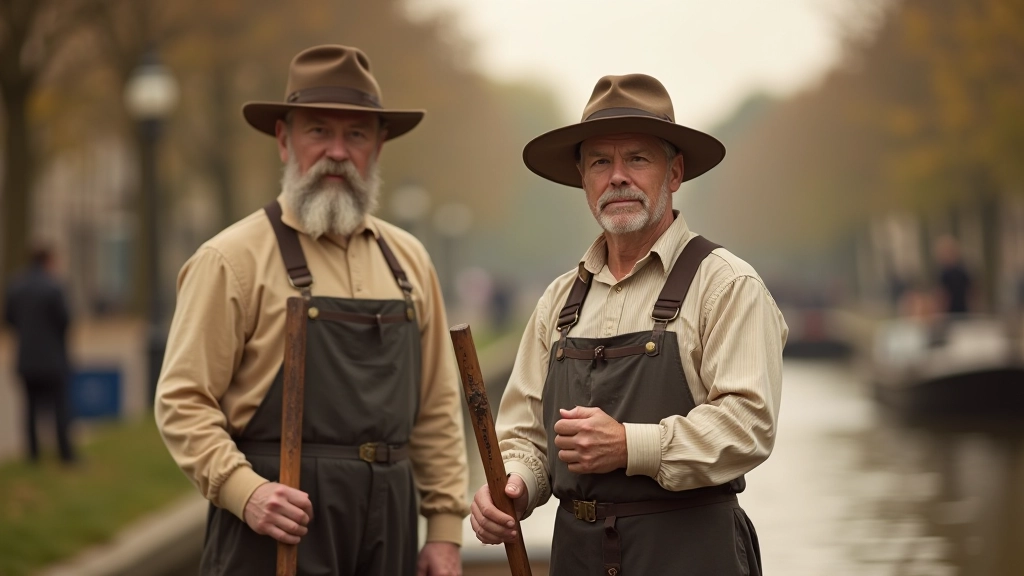
The canal took nearly 25 years to complete. That's a long time to keep a project going without modern machinery, without computers, without even electric lights for the night shifts. The workers — mostly laborers from rural Ireland — dug by hand with spades and picks. No bulldozers. No diesel engines. Just muscle, determination, and the occasional explosion of gunpowder to break up stubborn rock.
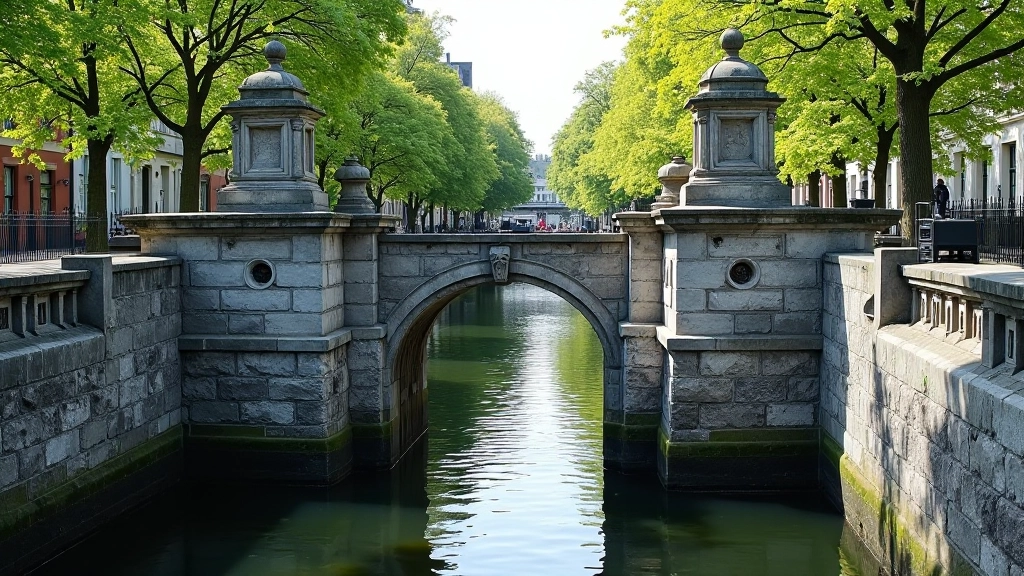
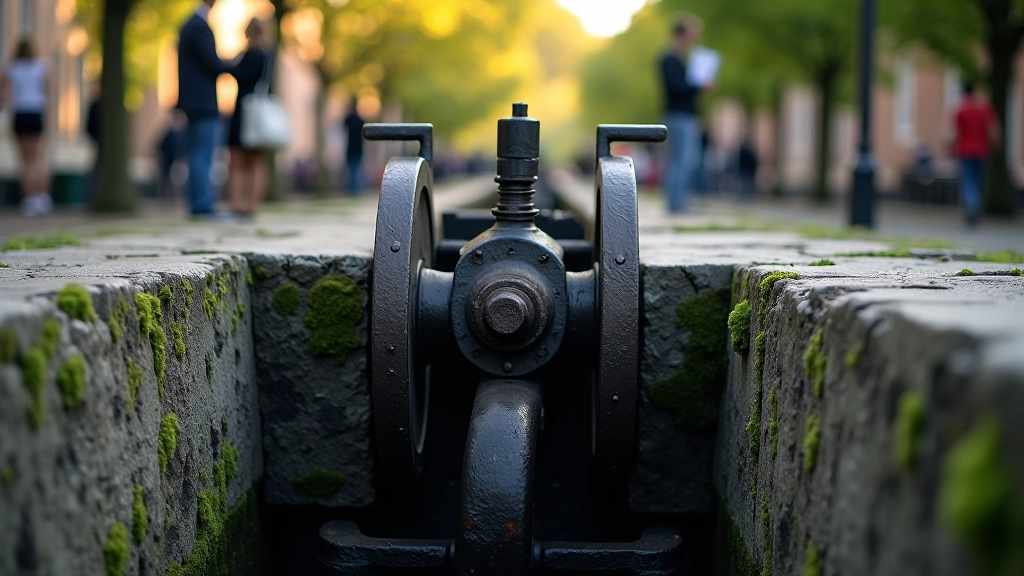
The engineering was genuinely clever. The canal rises and falls across Dublin's topography, which meant builders needed 26 locks to manage the water levels. Each lock is a feat of stone masonry — fitted so precisely that some locks from the 1790s still work perfectly today. The Portobello Aqueduct, which carries the canal over the River Poddle, is particularly impressive. It's a triple-arch stone structure that looks almost delicate despite supporting thousands of tons of water.
About Historical Accuracy: The information presented here represents widely documented historical records and heritage research. Specific dates, measurements, and biographical details come from Dublin Port Authority archives and the Royal Irish Academy. For detailed scholarly analysis or academic citations, we recommend consulting the Irish History Online database or contacting heritage organizations directly.
The People Behind the Waterway
Here's what often gets overlooked in history books: the canal was built by ordinary people doing extraordinary work. Hundreds of laborers, many of them from County Tipperary and County Kilkenny, came to Dublin for the wages. It wasn't glamorous work — digging through mud and clay, hauling water, setting stones in place. But it was employment when Ireland's economy needed jobs.
The chief engineer, John Smeaton, was one of the era's great minds. He'd worked on the Eddystone Lighthouse in England, so he understood water management at a serious level. His vision wasn't just to move water from point A to point B. It was to create something that would last centuries. And he succeeded. You can still see his influence in how the locks are proportioned, how the towpath is laid out, how water flows.
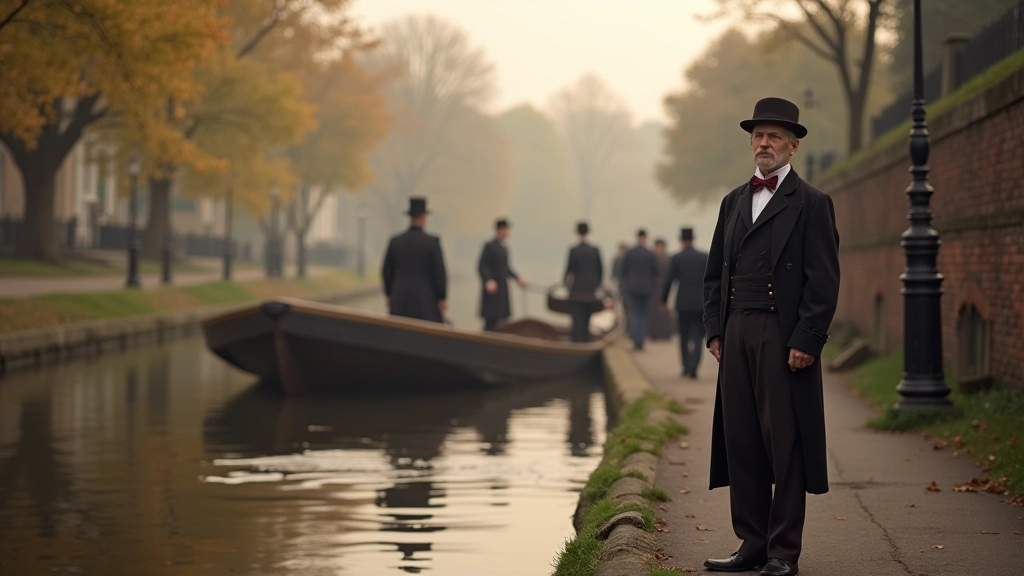
By the 1820s, the canal was thriving. Barges carried coal, timber, grain, and manufactured goods. It wasn't just commerce — it became a social hub. People walked the towpath on weekends. Families picnicked by the water. The canal brought Dublin into conversation with the wider industrial world.
From Industrial Lifeline to Cherished Heritage
The canal's golden age as a commercial waterway lasted about 80 years. Then the railways came. Train transport was faster, cheaper, and didn't depend on weather or water levels. By the early 1900s, barge traffic had slowed to a trickle. The canal wasn't dead, but it was sleepy. Locals still walked it, kids still fished in it, but the urgency was gone.
What's remarkable is that Dublin didn't abandon the canal. Instead, it reinvented it. Over the past 30 years, there's been serious investment in restoration and maintenance. The lock gates have been rebuilt using traditional methods. The towpaths have been resurfaced. Trees have been planted along the banks. Today, the canal is thriving in a completely different way — as a recreational space, a heritage attraction, and a symbol of Dublin's industrial past.
Walking the canal now, you're moving through layers of time. You see the 18th-century engineering in the locks. You spot Victorian-era buildings that were built to serve the canal trade. You walk past modern apartments where people chose to live precisely because of the canal's character and history. It's a living document of Dublin's transformation.
Why This History Matters Today
When you walk from Portobello to Inchicore, you're not just getting exercise or enjoying a pleasant afternoon. You're participating in something that's been part of Dublin's identity for nearly 250 years. The canal represents a moment when Ireland believed it could build something world-class. And it did. The Grand Canal isn't a museum piece — it's proof that good design and thoughtful engineering create spaces that remain valuable for centuries.
The next time you pause at a lock gate or stop to watch the water flow, take a moment to imagine it as it was. Picture the horses pulling barges loaded with cargo. Imagine the sound of picks striking stone during construction. Think about the thousands of people who've walked this same path, lived alongside this water, and found meaning in its presence. That's the real history of the Grand Canal — not just dates and facts, but the human stories embedded in every brick.